
An A-rated boiler is a heating system that has achieved the highest energy efficiency rating available under the UK’s ErP (Energy related Products) rating scheme, converting at least 90% of the fuel it burns into usable heat. In plain terms, that means less gas wasted, lower monthly bills, and a smaller carbon footprint than older, less efficient models. If you’re in London and staring at a rising gas bill or an ageing boiler that’s on its last legs, understanding this rating is the first step toward a smarter heating decision.
This guide breaks down exactly what the rating means, how much you could save, what installation costs in London, and how to know if upgrading is worth it for your home.
What Does “A-Rated” Actually Mean?
An A-rated boiler is one that meets the top efficiency band (A) on the ErP energy label, a scale that runs from A (most efficient) down to G (least efficient), similar to the labels you see on fridges and washing machines.
To earn an A rating, a boiler must operate at 90% efficiency or above. This means for every £1 you spend on gas, roughly 90p goes directly into heating your home, and only 10p is lost as waste through the flue.
Almost every new gas boiler sold in the UK today is A-rated, because building regulations introduced in 2005 and tightened further under the ErP directive in 2015 effectively phased out non-condensing boilers for new installations. So if your boiler is more than 15 years old, there’s a strong chance it’s operating well below this standard.
The ErP Energy Rating Scale
| Rating | Efficiency Range | Typical Boiler Age |
|---|---|---|
| A | 90%+ | Modern condensing boilers (2005–present) |
| B | 86–90% | Some older condensing models |
| C | 82–86% | Early condensing boilers |
| D–G | Below 82% | Non-condensing, pre-2005 boilers |
Why Is an A-Rated Boiler Better Than Older Models?
An A-rated boiler is better because it uses condensing technology to recapture heat that older boilers simply vent outside as waste. This single design difference is responsible for most of the efficiency gap between old and new systems.
Here’s how it works in practice: inside a condensing boiler, flue gases pass through a secondary heat exchanger before leaving the system. This recovers extra warmth from the exhaust and channels it back into your central heating system, rather than losing it up the flue. Older, non-condensing boilers don’t have this second heat exchanger, so a much larger share of the fuel you pay for escapes as wasted heat.
Beyond raw efficiency, A-rated boilers typically offer:
- Better temperature control, often pairing with a smart thermostat for room-by-room accuracy
- Lower carbon emissions, supporting UK net-zero heating goals
- Quieter operation compared to older, mechanically noisier units
- Compatibility with smart heating controls and zoned radiator systems
- Improved radiator efficiency, since modern systems are designed to work at lower flow temperatures
A-Rated Boiler vs Old Boiler: Key Differences
| Feature | A-Rated Boiler | Old Non-Condensing Boiler |
|---|---|---|
| Efficiency | 90%+ | Often 60–70% |
| Technology | Condensing, dual heat exchanger | Single heat exchanger |
| Annual running cost (avg. 3-bed home) | Lower, typically £150–£250 less/year | Higher gas usage for same heat output |
| Carbon emissions | Significantly reduced | Higher CO2 output |
| Compatibility with smart thermostats | Yes | Limited or none |
| Typical lifespan | 10–15 years with servicing | Often past end-of-life |
| Warranty available | Up to 10–12 years | Rarely still under warranty |
A-Rated vs B-Rated Boiler: Is the Difference Worth It?
Yes, the gap between an A-rated and B-rated boiler is worth paying attention to, even though both use condensing technology. A B-rated boiler sits at 86–90% efficiency, so the difference might look small on paper, but over a full heating season it adds up.
For an average London household using around 12,000 kWh of gas a year, moving from a B-rated to an A-rated boiler can save roughly £30–£60 annually, on top of the larger savings already gained by moving away from an older, pre-2005 system. Since almost all new boilers on the market are A-rated anyway, there’s rarely a reason to settle for anything less when replacing your system today.
How Much Can an A-Rated Boiler Save You?
Most UK households save between £150 and £300 a year on gas bills after replacing an old, inefficient boiler (G-rated) with a new A-rated model, according to typical estimates used by the Energy Saving Trust for a semi-detached, gas-heated home. Actual savings depend on your home’s size, insulation, and how old your existing boiler is.
Estimated Annual Savings by Boiler Age
- Boiler installed before 2005 (G-rated): up to £300+ per year in savings
- Boiler installed 2005–2010 (early condensing, C/D-rated): £100–£180 per year
- Boiler installed after 2018 (already A-rated): minimal additional savings from replacement alone
Beyond fuel savings, an A-rated boiler paired with a smart thermostat and properly balanced radiators can reduce energy consumption further by avoiding overheating and unnecessary cycling.
Is an A-Rated Boiler Worth Buying?
For most London homeowners with a boiler older than 10–12 years, yes, an A-rated boiler is worth buying. The combination of lower annual fuel bills, reduced repair costs, and a manufacturer warranty typically means the investment pays for itself within 5–8 years, while also improving comfort and reliability in the meantime.
It’s worth considering upgrading if:
- Your current boiler needs frequent repairs or replacement parts are getting harder to find
- Your energy bills feel high relative to your home’s size
- Your boiler is more than 10 years old
- You’re renovating or extending your home and need extra heating capacity
- You want to reduce your household’s carbon emissions
It may be worth waiting if your existing boiler is already A-rated, well-serviced, and under 8 years old, since the efficiency gain from replacing it early would be minimal.
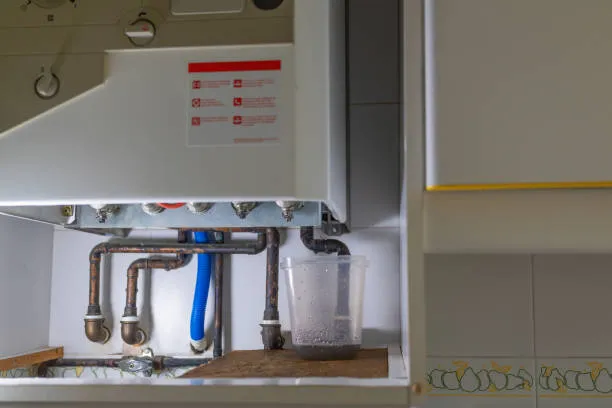
Types of A-Rated Boilers Available
Not all A-rated boilers work the same way. The right type depends on your home’s size, hot water demand, and existing pipework.
Combi Boiler
A combi boiler heats water on demand directly from the mains, without needing a separate hot water cylinder or tank. It’s the most popular choice for London flats and smaller homes because it saves space and delivers instant hot water.
System Boiler
A system boiler works with a hot water cylinder but doesn’t need a cold water tank in the loft. It suits homes with higher hot water demand, such as houses with multiple bathrooms.
Regular (Conventional) Boiler
A regular boiler uses both a hot water cylinder and a cold water feed tank. It’s typically found in older properties and is often chosen when replacing a like-for-like system rather than converting to combi.
All three types are available in A-rated, condensing versions, so the choice mainly comes down to your household’s hot water usage and existing plumbing setup, not efficiency alone.
A-Rated Boiler Installation in London: What to Expect
Typical Installation Costs in London
| Boiler Type | Boiler Cost | Installation Cost | Total (Approx.) |
|---|---|---|---|
| Combi boiler | £800–£1,800 | £700–£1,500 | £1,500–£3,300 |
| System boiler | £900–£2,000 | £900–£1,800 | £1,800–£3,800 |
| Regular boiler | £1,000–£2,200 | £1,000–£2,000 | £2,000–£4,200 |
Costs in London tend to run higher than the UK average due to labour rates and the complexity of older properties, particularly Victorian and Edwardian homes with non-standard pipework.
Steps for a Typical Boiler Replacement
- Book a survey with a Gas Safe registered engineer to assess your current system and heating needs
- Get a fixed quote covering the boiler, labour, and any additional parts (flue extensions, pipework, filters)
- Choose your boiler type and brand based on household size and hot water demand
- Schedule installation, which typically takes one day for a straightforward combi swap
- Receive a Gas Safe certificate and warranty registration once the work is complete
- Set up your smart thermostat and get a walkthrough of the controls
- Book your first annual service to keep the warranty valid and maintain efficiency
Choosing a Boiler Engineer in London
Always confirm your installer is Gas Safe registered — this is a legal requirement for anyone working on gas boilers in the UK, not just best practice. Ask for:
- Proof of Gas Safe registration (check the engineer’s ID card)
- A fixed, written quote before work begins
- Manufacturer-backed warranty registration (some brands offer up to 10–12 years when installed by an accredited installer)
- References or reviews from local London jobs
How to Maintain Your A-Rated Boiler’s Efficiency
An A-rated boiler will only keep performing at its rated efficiency if it’s looked after. A few simple habits protect both performance and warranty:
- Book annual servicing — most warranties require this to stay valid
- Bleed radiators regularly to remove trapped air and maintain radiator efficiency
- Fit a magnetic filter to protect the heat exchanger from sludge buildup
- Use a smart thermostat to avoid unnecessary heating cycles
- Check boiler pressure periodically and top up if it drops below the recommended range
- Power flush older central heating systems before installing a new boiler, to remove existing debris
A well-maintained A-rated boiler typically lasts 10–15 years, and consistent servicing is one of the biggest factors in reaching the upper end of that lifespan.
Frequently Asked Questions
What is an A-rated boiler?
An A-rated boiler is a heating system that operates at 90% efficiency or higher, based on the UK’s ErP energy rating scale. It’s the highest efficiency band available for domestic boilers.
Why is an A-rated boiler better than an older model?
It uses condensing technology to recover heat that older boilers waste, resulting in lower gas bills, reduced carbon emissions, and more consistent heating performance.
Is an A-rated boiler worth buying?
For most homes with a boiler older than 10 years, yes. Typical payback through fuel savings is 5–8 years, alongside improved reliability and lower repair costs.
How much can an A-rated boiler save on bills?
Households replacing an old G-rated boiler can save £150–£300+ per year on gas bills, depending on home size and insulation.
Do A-rated boilers reduce energy bills immediately?
Yes, savings typically begin from the first billing cycle after installation, though the full annual saving is best measured over a complete heating season.
What boiler efficiency rating is best for homes?
A-rated (90%+ efficiency) is the best available rating and the standard for nearly all new boiler installations in the UK today.
Which boiler type is best for London homes?
Combi boilers are the most common choice for London flats and smaller houses due to limited space and instant hot water, though larger homes with multiple bathrooms often suit a system boiler better.
Should I replace my old boiler with an A-rated model?
If your boiler is over 10 years old, needs frequent repairs, or you’re noticing high gas bills, replacing it with an A-rated model is generally a sound financial and practical decision.
How much does an A-rated boiler cost to install in London?
Combi boiler installations in London typically range from £1,500–£3,300 including the unit and labour, with system and regular boilers costing more due to additional components.
How long does an A-rated boiler last?
With annual servicing, most A-rated boilers last 10–15 years, and many come with manufacturer warranties of up to 10–12 years when installed by an accredited engineer.
Final Thoughts: Is It Time to Upgrade?
An A-rated boiler isn’t just a box-ticking exercise for energy labels — it’s a practical upgrade that lowers your monthly bills, reduces your home’s carbon footprint, and gives you a more reliable heating system for the next decade. If your current boiler is ageing, inefficient, or costing more to repair than it’s worth, switching to an A-rated model is one of the most cost-effective home improvements you can make in London’s climate.
The best next step is a proper survey from a Gas Safe registered engineer who can assess your home’s specific heating needs and give you an accurate, fixed quote — rather than guessing your savings from averages alone.